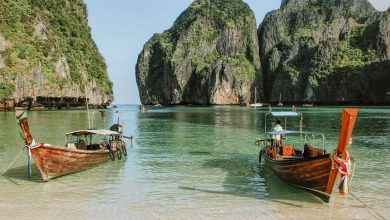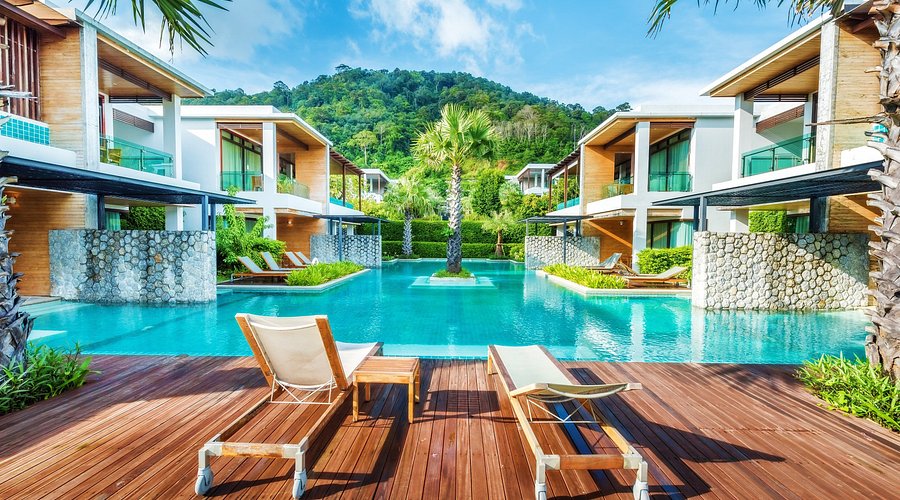
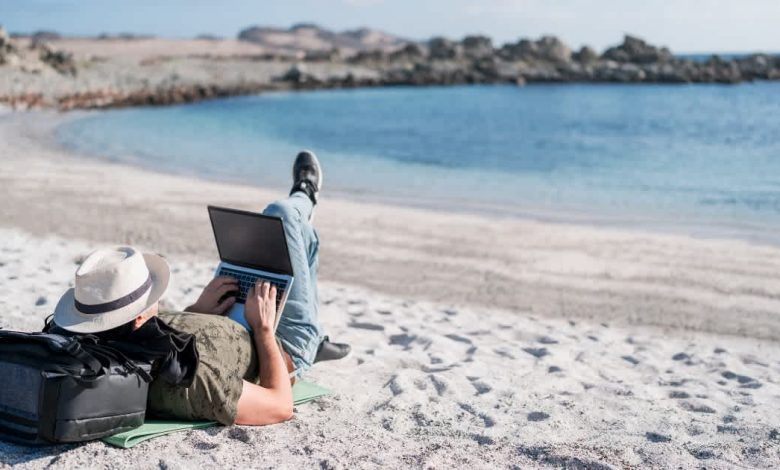
Digital nomad Travel lifestyle for remote workers worldwide has transformed how people approach work, travel, career development, and personal freedom. Instead of being tied to a single office or location, remote workers are now able to live in multiple cities, immerse themselves in diverse cultures, and structure their lives around experiences rather than solely work schedules. This lifestyle prioritizes flexibility, autonomy, mobility, and intentional living. While it can appear effortless and glamorous, the digital nomad lifestyle requires planning, adaptability, financial awareness, and strong self-management. Those who navigate it effectively gain opportunities to expand both professional horizons and personal growth.
Understanding the Digital Nomad Lifestyle
The core of the digital nomad lifestyle is the ability to earn a stable income through remote work while living in various global destinations. However, it is not only about travel. It is about designing a meaningful balance between work productivity and exploration.
Digital nomads typically use:
- Remote employment positions
- Freelancing opportunities
- Online entrepreneurship or consulting
- Contract-based project work
- Digital services such as design, writing, coding, tutoring, or marketing
This lifestyle opens doors to new environments without requiring time-limited vacation frameworks.
Why the Digital Nomad Movement Continues to Grow
Several factors have contributed to the growth of the digital nomad culture.
Expansion of Remote Work Infrastructure
Advances in:
- High-speed internet availability
- Cloud-based collaboration platforms
- Virtual team communication systems
- Accessible coworking spaces worldwide
These developments have made remote work not only possible but efficient.
Shift in Work-Life Priorities
People are prioritizing:
- Personal well-being over corporate structures
- Experiences over possessions
- Self-guided professional development over rigid career ladders
The desire for autonomy has reshaped modern career identity.
Global Mobility and Travel Accessibility
Travel has become:
- More affordable due to competitive airlines and flexible travel options
- Easier to navigate with digital maps, translation tools, and online accommodation platforms
- More community-based, thanks to global remote worker networks and meetups
These changes make long-term travel less intimidating.
Choosing Locations as a Digital Nomad
Selecting a destination depends on several considerations.
Cost of Living
One of the most significant factors is cost. Digital nomads often choose regions where their income stretches farther without sacrificing quality of life.
Countries and cities vary widely in:
- Housing costs
- Food and transportation expenses
- Access to services such as gyms, clinics, and markets
Successful nomads research these variables before relocating.
Internet Reliability and Working Environment
Stable internet is non-negotiable. Locations with coworking spaces, community cafes, and structured working hubs ensure productivity remains consistent.
Look for:
- Fiber-optic internet where possible
- Backup connectivity such as phone hotspots
- Quiet or designated work-friendly neighborhoods
Cultural Compatibility and Lifestyle Fit
Lifestyle harmony matters. Some cities are vibrant and fast-paced. Others are quiet and nature-focused. Understanding personal preferences can determine whether a location supports long-term well-being.
Factors include:
- Language familiarity
- Climate
- Local customs and social norms
- Safety and transportation systems
Structuring Your Work Routine While Traveling
Without structure, productivity can diminish. Digital nomads must create routines that support their personal and professional goals.
Establishing a Consistent Work Schedule
Even with location flexibility, maintaining a steady schedule helps manage energy and expectations. Many nomads align their work hours with either:
- Their employer or client’s time zone
- Their own internal productivity clock
- Local coworking or community hours
Using Work Blocks and Task Planning
Breaking work into structured blocks allows flexibility without losing focus. For example:
- Morning work block for deep, focused tasks
- Afternoon block for communication and collaboration
- Evenings for exploration or rest
Boundary Setting
Boundaries protect work-life balance. These include:
- Not working from bed or leisure spaces
- Designating electronics-free hours
- Ensuring time off from devices to prevent burnout
Building Social Connections While Traveling
Digital nomad life offers independence but can also introduce loneliness if relationships are not nurtured.
Ways to Connect with Local and Global Communities
- Join coworking spaces to meet other remote workers
- Participate in skill-sharing or language exchange meetups
- Volunteer for community events or environmental projects
- Attend fitness classes, workshops, and cultural gatherings
Relationships amplify the richness of travel experiences.
Maintaining Relationships from Home
Nomads often keep close ties by:
- Regular video calls
- Shared group chats
- Occasional return visits
- Planned meetups in new destinations
Strong support networks strengthen emotional resilience.
Financial Management for Digital Nomads
Responsible financial planning protects freedom and stability.
Budgeting Across Countries
Costs change with every destination. Effective nomads:
- Track spending by category (housing, food, transportation, leisure)
- Adjust destinations based on financial phase (saving, investing, exploring)
- Avoid unnecessary luxury spending unless intentional
Income Stability and Diversification
Relying on a single income stream can be risky. Consider adding:
- Side freelance projects
- Passive income channels
- Skills training to increase earning potential
Insurance and Health Planning
Nomads often purchase:
- Global health insurance plans
- Travel medical coverage
- Emergency savings funds for unexpected issues
Preparedness ensures peace of mind.
Technology and Tools to Support Remote Work Travel
Leveraging the right digital tools improves workflow efficiency.
Essential tools include:
- Virtual collaboration platforms
- Cloud file storage systems
- Password security and VPN services
- Project management applications
- Portable tech gear like noise-canceling headphones and ergonomic travel keyboards
These tools allow consistent productivity anywhere.
Managing Mental and Emotional Well-Being
Travel can be exhilarating, but constant movement can also be destabilizing.
Healthy nomads practice:
- Regular sleep routines despite time zone changes
- Movement habits such as yoga, hiking, running, or gym sessions
- Mindfulness through journaling, meditation, or quiet moments
- Intentional slow travel to avoid burnout
The key is to pace life around sustainable joy rather than constant novelty.
Long-Term Career Growth While Traveling
Remote work does not have to pause professional development. Digital nomads often enhance their careers by developing skills applicable across industries.
Strategies include:
- Online certification courses and continuing education
- Seeking mentorship from professionals worldwide
- Joining remote industry networking communities
- Showcasing projects or case studies in portfolio platforms
Travel can strengthen leadership, adaptability, and communication skills, which employers value highly.
FAQ
How do digital nomads handle time zone differences when working with global clients?
Many nomads schedule their work hours to overlap with their clients or employers. Some will shift sleeping schedules for alignment, while others choose destinations that match preferred work time zones.
What are some ways to ensure productivity while constantly traveling?
Use coworking spaces, establish daily routines, maintain a consistent wake time, and minimize distractions by separating leisure environments from work environments.
How long do digital nomads usually stay in one location?
Length of stay varies widely. Some stay only a few weeks, while others settle for several months to build deeper community ties, stabilize routines, and reduce travel fatigue.
Is it necessary to speak multiple languages to live as a digital nomad?
Not necessarily, although learning basic phrases greatly improves interaction and daily comfort. Many nomads use translation apps and learn gradually in each region.
What should digital nomads consider when choosing accommodations?
Look for accommodations that offer reliable internet, quiet bedrooms, kitchen access for budgeting, proximity to coworking spaces, and safe surrounding neighborhoods.