
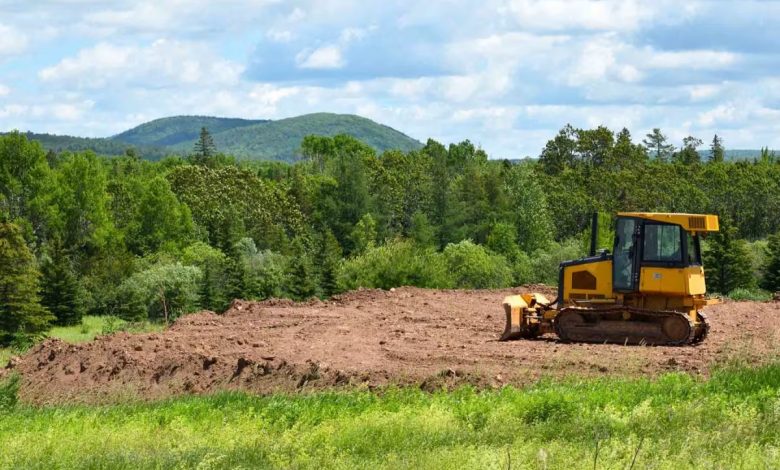
When people picture a piece of untouched land, they often imagine tall grass, dense brush, or even clusters of trees. While this kind of landscape can look beautiful, it rarely provides the functionality needed for construction, agriculture, or property improvement. This is where professional land clearing services come in. By removing unwanted vegetation, rocks, and debris, land clearing sets the foundation for projects of all kinds, from building homes to preparing farmland.
Land clearing is not simply about cutting down trees. It is a careful process that involves planning, environmental considerations, and the right equipment to ensure that the property is safe and ready for its next stage of use. For landowners and developers, understanding what land clearing involves can make all the difference in project success.
Why Land Clearing Matters
At its core, land clearing prepares a property for its intended use. Whether the goal is to construct a new building, expand a yard, or create farmland, the first step is making sure the ground is stable and accessible. Unchecked vegetation can hide hazards like uneven terrain, fallen logs, or even invasive species. By clearing these obstacles, professionals make the space usable, safe, and easier to manage.
For farmers, cleared land opens opportunities for planting crops or raising livestock. For homeowners, it can mean extending a backyard or preparing a site for a new garage. For developers, it provides a blank canvas on which infrastructure can be built. Without proper land clearing, these projects risk delays, safety issues, and added costs.
Different Methods of Land Clearing
Not all land requires the same approach. The method depends on the type of vegetation, soil condition, and the project goals. Some of the most common techniques include:
- Grubbing and Dozing
This approach uses heavy machinery to remove brush, trees, and stumps. Bulldozers and excavators are often involved, making it effective for large plots of land. However, it may leave behind rough terrain that requires additional grading. - Cut and Grind
For areas with heavy tree growth, this method involves cutting trees at the base and grinding the stumps into mulch. This reduces debris while recycling organic material back into the soil. - Controlled Burning
Although less common today due to safety and environmental concerns, controlled burning is sometimes used to clear vegetation quickly. It requires permits and professional oversight to avoid hazards. - Mulching
Modern forestry mulchers have become increasingly popular because they grind trees and brush into mulch directly on-site. This reduces waste and improves soil quality, making it an eco-friendly choice.
Environmental Considerations
Land clearing must balance progress with environmental responsibility. Removing too much vegetation without planning can lead to soil erosion, water runoff issues, and habitat disruption for wildlife. Professional services often include erosion control techniques such as silt fences or replanting grass to stabilize soil after clearing.
Sustainable practices, like selective clearing, can help maintain tree cover where possible while still preparing the land for use. Many professionals also repurpose cleared vegetation into mulch or timber, reducing waste and contributing to sustainability.
Benefits of Professional Land Clearing
Hiring professionals for land clearing provides several advantages that go beyond simply removing vegetation:
- Safety: Professionals are trained to handle heavy equipment and remove hazardous trees or stumps without causing damage to surrounding property.
- Efficiency: What might take weeks with small tools can often be accomplished in days with the right machinery.
- Expertise: Professionals know how to evaluate soil, manage drainage concerns, and clear land without creating long-term problems.
- Compliance: Depending on the location, permits and regulations may apply. Experienced providers help property owners navigate these requirements.
Practical Applications of Land Clearing
Every landowner has different reasons for seeking land clearing. Some of the most common uses include:
- Residential construction: Preparing lots for new homes, driveways, or expansions.
- Commercial development: Clearing large tracts for retail centers, offices, or industrial facilities.
- Agriculture: Creating space for crops, pastures, or orchards.
- Recreation: Opening up wooded areas for trails, parks, or campgrounds.
In all cases, a well-cleared property sets the stage for progress.
Why Local Expertise Matters
While land clearing services are available in many regions, working with a local team can provide unique advantages. For example, someone seeking Stephenville land clearing will benefit from professionals who understand the soil composition, vegetation types, and environmental regulations of that specific area. Local crews can anticipate challenges such as rocky ground or invasive plant species that may not be as common elsewhere.
Costs and Value of Land Clearing
The cost of land clearing depends on several factors, including lot size, density of vegetation, and chosen method. While it can be a significant investment, it often saves money in the long run by preventing costly delays or site problems during construction.
Think of land clearing as a foundation. Just as a building cannot stand without a solid base, no project can succeed without properly prepared land. Investing in professional services ensures that the ground is stable, safe, and suitable for future use.
Looking Ahead
As development expands and land continues to be repurposed, the role of land clearing services will remain essential. However, the future of the industry is shifting toward more sustainable practices. From mulching methods that improve soil health to precision equipment that minimizes disruption, modern land clearing is as much about preserving the environment as it is about creating usable space.
For property owners, understanding the process and benefits of professional land clearing is the first step toward achieving their goals. Whether the project is big or small, farmland or commercial site, cleared land represents opportunity waiting to be realized.


