

Moving offices requires time, money and considerable disruption. A company that selects space only for its present headcount may find itself repeating the process soon after growth resumes. Businesses searching for an office for rent in Bangkok should therefore consider how the lease, floor plan and wider building can respond to change without paying excessively for unused capacity from the beginning.
Future-proofing does not mean predicting the organisation perfectly. It means preserving enough options to handle several plausible outcomes.
Build More Than One Headcount Scenario
A single growth forecast can create false confidence. Businesses should model a conservative, expected and faster-growth scenario, then assess how each would affect desks, meeting rooms and support areas.
Hybrid attendance needs separate consideration. Headcount may rise while the number of people present each day remains stable, or a policy change may bring more employees back into the office.
Team structure matters too. Growth in sales may increase call-space demand, while growth in technical or creative roles may require more project rooms and focused work areas.
These scenarios help the business distinguish between capacity it is likely to need and space that would remain speculative.
Look for Flexibility Within the Building
Expansion is easier when additional space can be taken nearby. Businesses should ask whether the landlord manages other floors, smaller suites or flexible workspace within the same development.
The ability to add project rooms or short-term desks can delay a full relocation. Shared meeting and event facilities may also reduce the amount of private space the company needs to lease permanently.
However, future availability cannot always be guaranteed. Any rights to expand, take neighbouring space or receive first refusal should be documented rather than based on informal assurances.
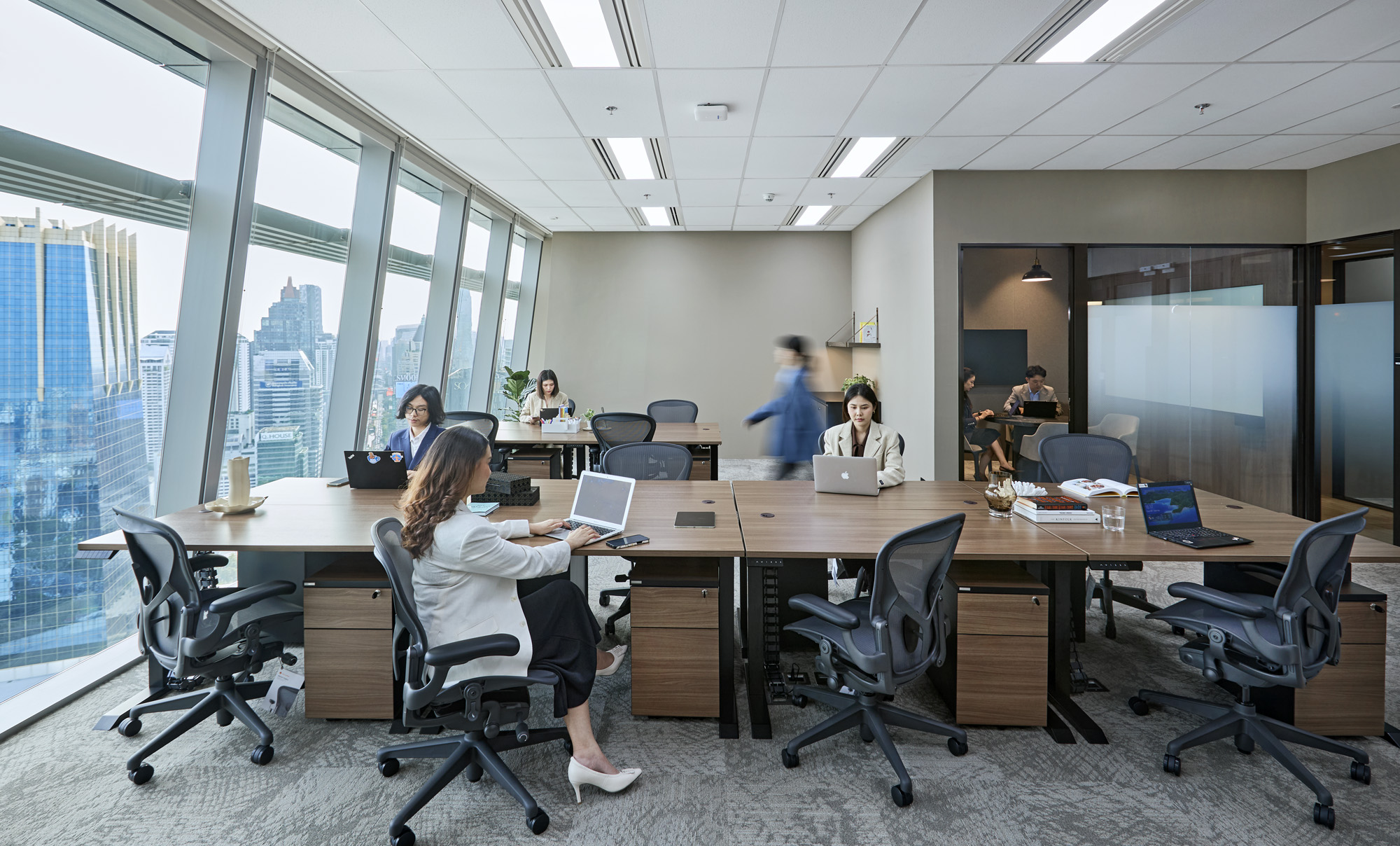
Building infrastructure must also support growth. Lift capacity, access control, cooling and electrical supply may become more important as occupancy increases.
Negotiate Lease Flexibility Carefully
A long lease can provide stability but may limit the company when circumstances change. Break clauses, assignment rights and subletting provisions deserve close legal review.
The timing of a break option should reflect the business plan. An early break may protect against uncertainty, while a longer commitment could secure better commercial terms.
Expansion and contraction rights are particularly valuable when available. A company might agree to move within the same building or surrender part of the space under defined conditions.
The lease should also explain what happens to fit-out improvements if the business relocates internally. Repeating the same construction cost can remove much of the benefit of remaining in the development.
Design the Fit-Out for Change
Fixed rooms and built-in furniture can make an office feel permanent, but they are expensive to alter. Demountable partitions, modular furniture and accessible cabling allow teams to reorganise more easily.
Not every wall needs to move. Core spaces such as kitchens and major meeting rooms can remain fixed while surrounding work areas adapt.
Storage should be planned with discipline. Allowing paper, equipment and unused furniture to accumulate can consume capacity that was intended for growth.
A future-ready office balances commitment with options. By modelling several scenarios, negotiating practical rights and using adaptable design, a business can choose a workplace that supports growth without paying indefinitely for an imagined future.


