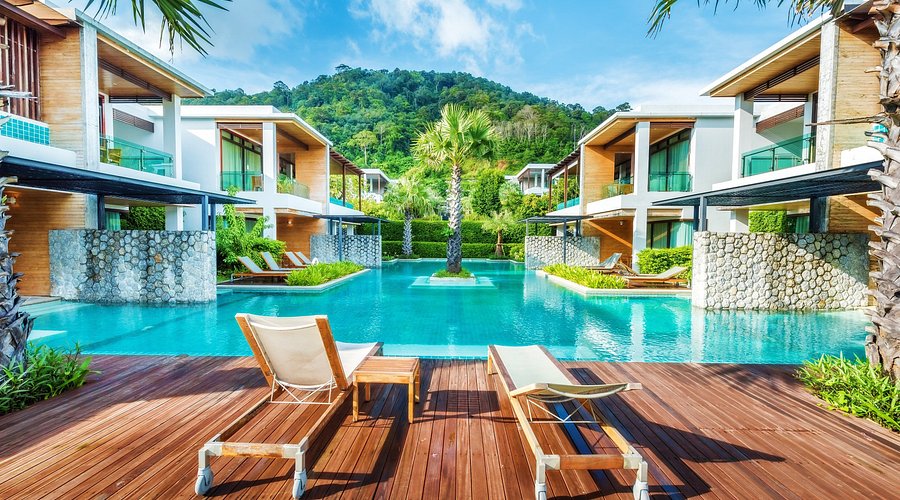
Family holidays are easier when the accommodation supports different ages, routines and energy levels. Parents comparing a Samui resort for family should look beyond the number of swimming pools or children’s activities and consider how the entire stay will function. Room layout, meal flexibility, safety, shade and opportunities for adults to relax can matter just as much as organised entertainment.
Choose Facilities for the Children’s Ages
A resort described as family-friendly may be suitable for toddlers, teenagers or both, but the available facilities should be checked carefully.
Younger children often benefit from shallow pools, shaded play areas and activities that do not require long periods of concentration. Parents should ask whether play spaces are supervised, which age groups are accepted and whether advance booking is required.
Older children and teenagers may prefer sports, water activities, games or spaces where they can spend time independently. A programme designed mainly for very young guests may not hold their interest for long.
Opening hours are important too. A children’s club that closes during meal times or early in the afternoon may be less useful than expected. Families should also confirm whether activities are complimentary or charged separately, as daily fees can add significantly to the cost of the holiday.
Organised programmes should support family time rather than fill every hour. The strongest resorts provide options without making guests feel that they need to follow a fixed schedule.
Look Closely at Room Layouts
A spacious room is not automatically practical for a family. The arrangement of beds, bathrooms and living areas often matters more than the total floor area.
Parents of younger children may prefer accommodation where sleeping areas remain close together. Families with teenagers may value connecting rooms, separate bathrooms or a partition that creates greater privacy.
Ask whether extra beds are permanent, fold-out or added only after arrival. A room that appears generous in photographs may feel crowded once a cot and additional bed have been installed. Storage space also becomes important when several people are unpacking clothes, beach equipment and pushchairs.
Balconies, private pools and outdoor areas require additional consideration. Check the height of railings, the security of doors and whether direct pool access can be restricted. Parents should not assume that private facilities have the same barriers or supervision found around shared resort pools.
Make Sure Mealtimes Stay Flexible
Food can shape the daily rhythm of a family holiday. Children may become hungry earlier than adults, while excursions, naps and pool time can make rigid restaurant schedules difficult to manage.
Check when breakfast begins and whether food is available between main meal periods. Smaller portions, familiar dishes and the ability to adjust spice levels can be valuable, particularly for younger or selective eaters.
Families managing allergies should speak to the resort before arrival. Staff need clear information about the ingredients that must be avoided and the seriousness of the reaction. It is also worth asking how cross-contamination is managed in buffet areas.
In-room dining can be useful after a tiring day, although menus, service hours and additional charges should be reviewed. Access to a small refrigerator may also help families store milk, snacks or medication safely.
Consider Heat, Water and Everyday Safety
Tropical weather affects how families use resort facilities. Pools, playgrounds and beaches are most enjoyable when there is sufficient shade and somewhere cool to rest nearby.
Children may tire quickly in heat and humidity, even when they appear happy and active. Regular water breaks, suitable sun protection and quieter periods indoors can prevent an enjoyable day from becoming overwhelming.
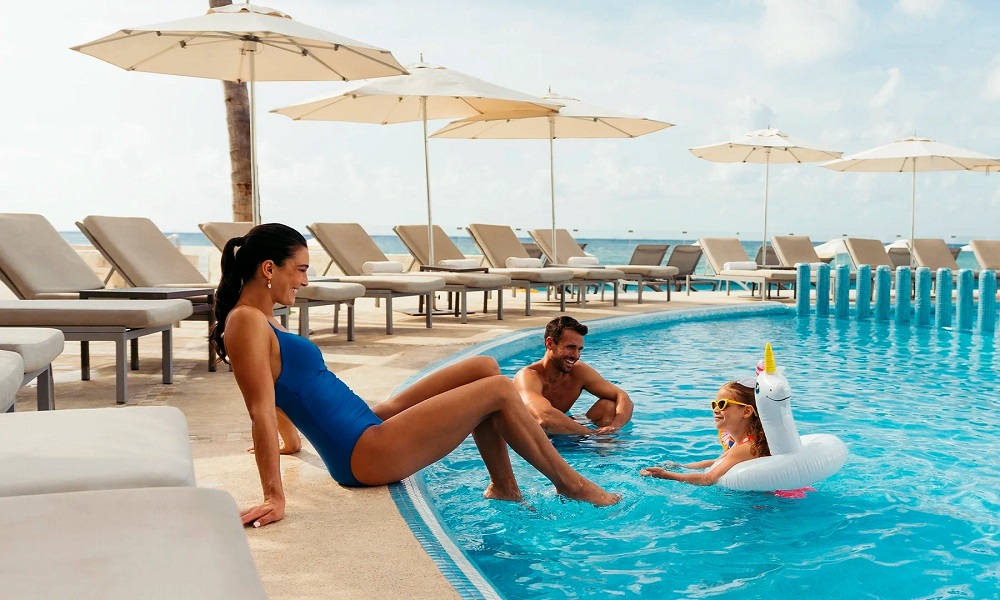
Swimming facilities should be assessed according to depth, visibility and supervision. A separate children’s pool can be useful, but it does not remove the need for close adult attention. Families should also ask whether lifeguards are present and whether pool towels or flotation aids are available.
The route around the resort matters as well. Steep paths, open water features and slippery surfaces can be challenging with toddlers or pushchairs. A compact layout may be more convenient than a larger property that requires regular shuttle journeys.
Leave Room for the Adults to Relax
A successful family resort should not focus exclusively on children. Parents and carers also need opportunities to rest, enjoy a meal or spend time together.
This may come from a well-run children’s programme, babysitting services, adjoining relaxation areas or simply a room layout that allows adults to unwind after bedtime. Any childcare service should be booked through the resort and reviewed carefully for age limits, staff arrangements and notice requirements.
The best family stays balance shared experiences with enough flexibility for everyone to enjoy the holiday differently. When facilities, accommodation and service reflect real family routines, the resort becomes more than a place with activities. It becomes a setting where both children and adults can feel comfortable from arrival to departure.