
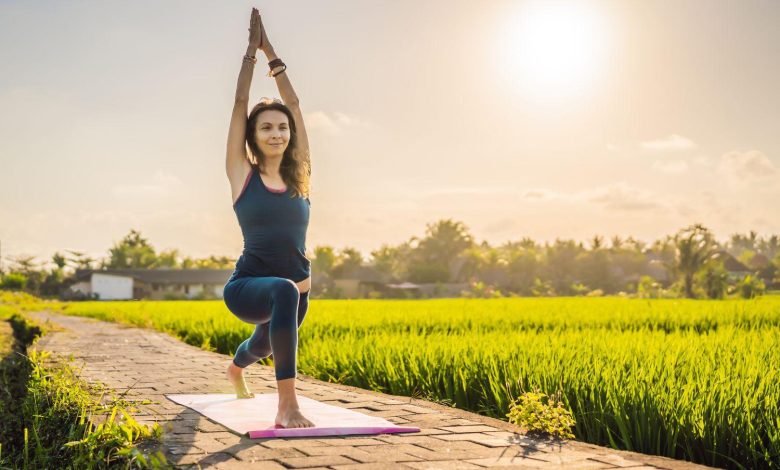
Travel wellness tips to stay healthy during long trips are essential for travelers who want to enjoy their journeys without feeling fatigued, overwhelmed, or physically drained. Whether traveling for work, adventure, family visits, or extended stays abroad, long trips can affect sleep, digestion, circulation, energy balance, and overall mental focus. By preparing ahead, developing mindful habits, and understanding how the body responds to prolonged movement and environmental change, travelers can maintain comfort, resilience, and well-being throughout their travels.
Understanding the Impact of Long Travel on the Body
Travel disrupts routines. When your environment changes, so do your sleep patterns, eating habits, hydration levels, and movement frequency. This shift affects how your body functions and how mentally alert you feel.
Common wellness challenges during long trips include:
- Jet lag and circadian rhythm disruption
- Poor posture from prolonged sitting
- Digestive discomfort from dehydration or irregular meals
- Fatigue from overstimulation or insufficient rest
- Immune stress due to exposure to unfamiliar environments
Many of these issues are preventable with awareness and preparation.
Preparing Before the Trip
Wellness starts long before stepping onto a plane or train. Preparation helps your body adapt to upcoming changes.
Adjusting Sleep Schedule in Advance
If you will be crossing time zones, gradually shift your bedtime and wake time closer to your destination’s schedule. This reduces the severity of jet lag.
Steps include:
- Shift bedtime by 30 minutes earlier or later each night for several days
- Use natural light exposure to signal your internal clock
- Avoid caffeine and heavy meals close to sleep time
Strengthening Immunity Before Travel
To reduce the risk of illness while on the move, give your immune system support.
Helpful practices:
- Maintain consistent sleep for at least a week prior to travel
- Eat whole foods high in vitamins and minerals such as leafy greens and berries
- Consider adding probiotics to support gut health
- Stay hydrated several days before departure
A well-rested and well-nourished body travels better.
Packing for Wellness Success
Organize travel essentials that support comfort and health.
Consider packing:
- A refillable water bottle
- Compression socks for long flights
- Travel-sized moisturizer and lip balm to combat dry cabin air
- Herbal teas or electrolyte packets for hydration
- A small first-aid kit with basic medications
- Light nutritious snacks like nuts, seeds, or dried fruit
Prepared travelers are more likely to make healthy decisions under stress.
Wellness Practices During Long Flights or Road Travel
Extended travel requires conscious attention to movement, hydration, and posture to keep the body functioning smoothly.
Staying Hydrated
Cabin air and long vehicle rides lead to dehydration, which contributes to fatigue and headaches.
Hydration strategies:
- Drink water consistently rather than in large amounts at once
- Limit alcohol and caffeinated beverages that dehydrate
- Add electrolytes during very long flights to maintain mineral balance
Carry a bottle and refill whenever possible.
Supporting Circulation and Muscle Health
Sitting still for long periods restricts blood flow, especially in the legs. Movement is essential.
Simple in-seat exercises:
- Rotate ankles slowly in circles
- Flex and extend toes repeatedly
- Squeeze calves and thighs rhythmically
- Roll shoulders and stretch the neck gently
If able, stand and walk down the aisle or stop during road travel to stretch regularly.
Maintaining Healthy Posture
Poor posture leads to neck strain, lower back discomfort, and tension headaches.
Tips for better alignment:
- Use a travel pillow to support the neck
- Adjust lumbar support with a rolled jacket or small pillow
- Avoid crossing legs, which restricts circulation
- Keep shoulders relaxed and avoid hunching forward
One mindful adjustment can prevent hours of discomfort.
Eating Well While Traveling
Nutrition often becomes inconsistent during trips. Instead of strict dieting, aim for balanced, manageable habits.
Choosing Nutrient-Dense Foods on the Go
Look for foods that stabilize energy rather than causing sugar crashes.
Balanced travel meals include:
- Lean proteins such as eggs, legumes, chicken, or tofu
- Colorful fruits and vegetables
- Whole grains like oats, brown rice, or quinoa
- Healthy fats from nuts, seeds, and avocados
Avoid relying solely on packaged snacks or fast food.
Supporting Digestive Health
Digestive changes are common due to stress and altered meal timing.
Support digestive comfort by:
- Eating slowly to improve nutrient absorption
- Drinking warm water or herbal teas to encourage digestion
- Including fiber-rich foods such as apples, carrots, and grains
- Staying consistent with meal times when possible
Gut health influences both mood and energy levels.
Sleep and Rest Strategies During Travel
Sleep quality can decline quickly during long travel if you are not mindful.
Adapting to New Time Zones
Light exposure helps reset your internal clock.
Use these strategies:
- Seek sunlight in the morning at your destination
- Avoid screens at night to reduce blue light disruption
- Take short 20 to 30 minute naps rather than long daytime sleep
Creating a Rest-Friendly Sleep Environment
Even unfamiliar rooms can feel restful with the right adjustments.
Tools that help:
- Eye masks to block light
- Earplugs to reduce noise
- Lightweight sleep blanket or scarf for comfort
- Breathing techniques before sleep to calm the nervous system
Rest is a necessary part of enjoyable travel, not a luxury.
Managing Mental and Emotional Wellness
Long travel experiences can emotionally overwhelm the mind if continuous stimulation is not balanced with grounding moments.
Setting a Calm Travel Rhythm
Do not attempt to see everything at once. Pace creates presence.
Ways to slow down:
- Plan one major activity per day rather than overscheduling
- Take mindful breaks between sightseeing or work
- Spend quiet time in parks, cafes, or natural spaces
Mindfulness and Grounding Techniques
Simple practices can prevent stress buildup.
Try:
- Deep breathing exercises
- Journaling as reflection outlet
- Gentle stretching or yoga after long sitting
- Listening to calming music while in transit
Emotional stability enhances overall travel experience.
Supporting Immune Health Abroad
Exposure to new microbes is part of travel. Strengthening immune defense helps you stay well.
Effective strategies:
- Wash hands frequently and avoid touching face
- Sanitize high-touch surfaces in planes, trains, and accommodations
- Eat fresh local produce to provide antioxidants
- Rest before burnout sets in
- Avoid overexertion during the first few days in a new environment
A balanced pace supports recovery and energy.
Maintaining Fitness While Traveling
You do not need a gym to stay physically active during long trips.
Movement and Exercise Options Anywhere
- Take walking tours instead of vehicle tours
- Use bodyweight exercises like squats, lunges, and planks
- Swim when near beaches or hotel pools
- Choose stairs instead of elevators when feasible
Movement restores circulation and strengthens mood.
FAQ
How can I avoid jet lag when traveling across time zones?
Shift your sleep schedule gradually before departure, stay hydrated, and expose yourself to morning sunlight upon arrival. Avoid heavy meals and caffeine close to bedtime during transition days.
What should I do if I start feeling fatigued during a long travel day?
Take short stretching breaks, drink water slowly and consistently, and focus on slow breathing to reduce internal tension. If possible, nap for 20 to 30 minutes to restore alertness.
How do I keep my digestion regular while traveling?
Stay hydrated, maintain fiber intake, and avoid overeating in one sitting. Gentle walking after meals helps stimulate digestion naturally.
What habits help reduce anxiety during travel transitions?
Prepare ahead with organized packing, arrive early to avoid rushed movement, use grounding techniques like controlled breathing, and allow unscheduled downtime to reset mentally.
Can I maintain my fitness level even without access to a gym?
Yes. Use outdoor walking, hiking, bodyweight strength routines, or resistance bands. Consistent moderate activity supports endurance, circulation, and energy stability throughout the trip.